
When Can Police Search Your Car in Washington — and What Happens If They Didn't Have the Right?
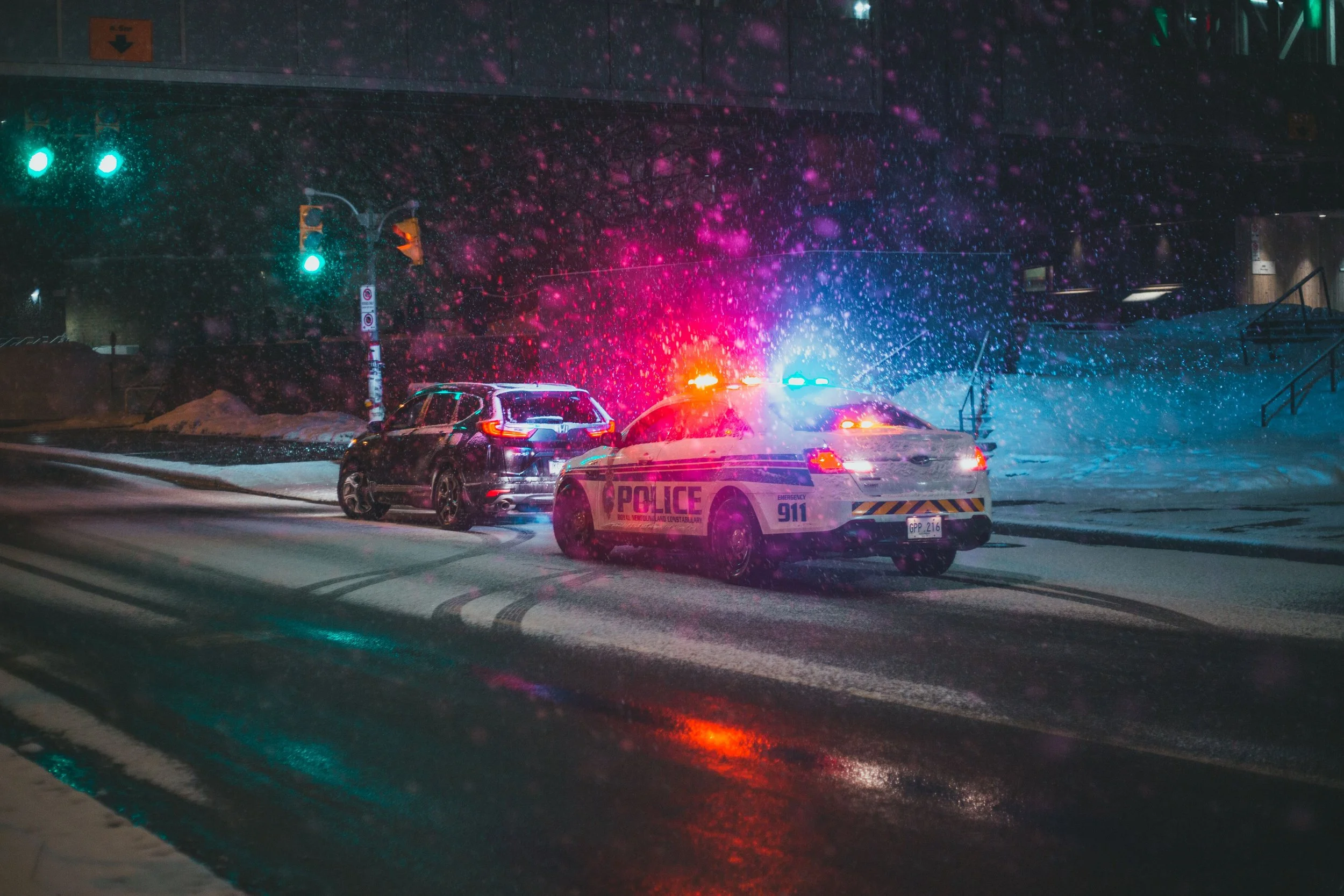
Getting pulled over is unsettling enough. When an officer asks to search your vehicle — or starts searching it without asking — most people don't know whether they have to comply, or whether the search is even legal in the first place. In Washington State, the rules are actually stricter than many drivers realize, and understanding them could make the difference in your case.
Does Washington Follow the Federal "Automobile Exception"?
No — and this is something many drivers don't know. Under federal law, police can often search a vehicle without a warrant if they have probable cause to believe it contains evidence of a crime. This is known as the "automobile exception."
Washington does not recognize this exception. Article I, Section 7 of the Washington State Constitution provides stronger privacy protections than the federal Fourth Amendment, and our state courts have repeatedly ruled that police generally need a warrant — or a valid exception to the warrant requirement — before searching your car.
When Police Can Legally Search Your Vehicle
There are a handful of situations where a warrantless search may still hold up in Washington:
You consent to the search. If you agree to let an officer search your car, they don't need a warrant. Consent must be voluntary — you always have the right to say no.
Search incident to arrest. If you're arrested, officers may search the area within your immediate reach only if you are unsecured and still within reaching distance of the vehicle. Once you're handcuffed and in the patrol car, this exception generally no longer applies in Washington.
Plain view. If an officer sees contraband or evidence of a crime in plain sight through the window, they may seize it without a warrant.
Exigent circumstances. If there's a genuine emergency — such as a risk that evidence will be destroyed or someone is in danger — officers may search without waiting for a warrant.
A valid search warrant. Officers can also search your car if a judge has already signed off on probable cause and issued a warrant.
Outside of these narrow situations, officers generally need to impound the vehicle and obtain a warrant before searching it.
What Happens If the Search Wasn't Legal?
If police searched your vehicle without consent, a valid exception, or a warrant, any evidence they found may be challenged in court. This is where the exclusionary rule comes in — evidence obtained through an unlawful search can be suppressed, meaning the prosecution can't use it against you.
This is often one of the most powerful tools in a drug crimes or DUI defense. If the search that turned up the evidence wasn't legal, the case against you can weaken significantly — sometimes leading to reduced charges or dismissal.
What to Do If Your Car Was Searched
If you believe your vehicle was searched without proper legal grounds, don't try to argue with the officer on the side of the road. Stay calm, be clear that you do not consent to the search if asked, and contact an attorney as soon as possible afterward.
Document everything you remember — what was said, whether you were asked for consent, and what the officer claimed gave them the right to search. Dashcam or phone footage can also be valuable evidence later.
How Verity Criminal Defense Can Help
At Verity Criminal Defense, we routinely review whether a vehicle search met Washington's strict legal standards. If your rights were violated, we'll fight to have unlawfully obtained evidence thrown out of your case.
You can read more about Washington's search and seizure protections directly from the ACLU of Washington, which has tracked these state constitutional protections closely.
Charged After a Vehicle Search in Washington? Contact Verity Criminal Defense Today.
Don't wait to get legal guidance. Contact Verity Criminal Defense for a free case review — available 24/7. We serve clients across King, Pierce, Snohomish, and Skagit counties, including Seattle, Bellevue, Tacoma, and Everett.