
Pulled Over for DUI in Washington? What To Do & Not To Do in the Moment
Most people have never been pulled over for DUI before it happens to them. And in those first few minutes — window rolling down, lights flashing in the mirror — it's easy to say the wrong thing, make the wrong move, or agree to something you didn't have to. What you do in the moment matters. Here's what you need to know.
Stay Calm and Be Polite — But Don't Volunteer Information
When an officer pulls you over, be courteous. Hand over your license, registration, and insurance when asked. Washington law requires you to provide this information.
What you are not required to do is answer questions about where you've been, whether you've been drinking, or how much. You have the right to remain silent beyond providing your basic identification. A simple, polite response — "I'd prefer not to answer questions without an attorney present" — is always within your rights and cannot be used against you.
Avoid arguing, making sudden movements, or doing anything that escalates the stop. Stay focused and stay calm.
You Can Refuse the Roadside Breath Test — and Usually Should
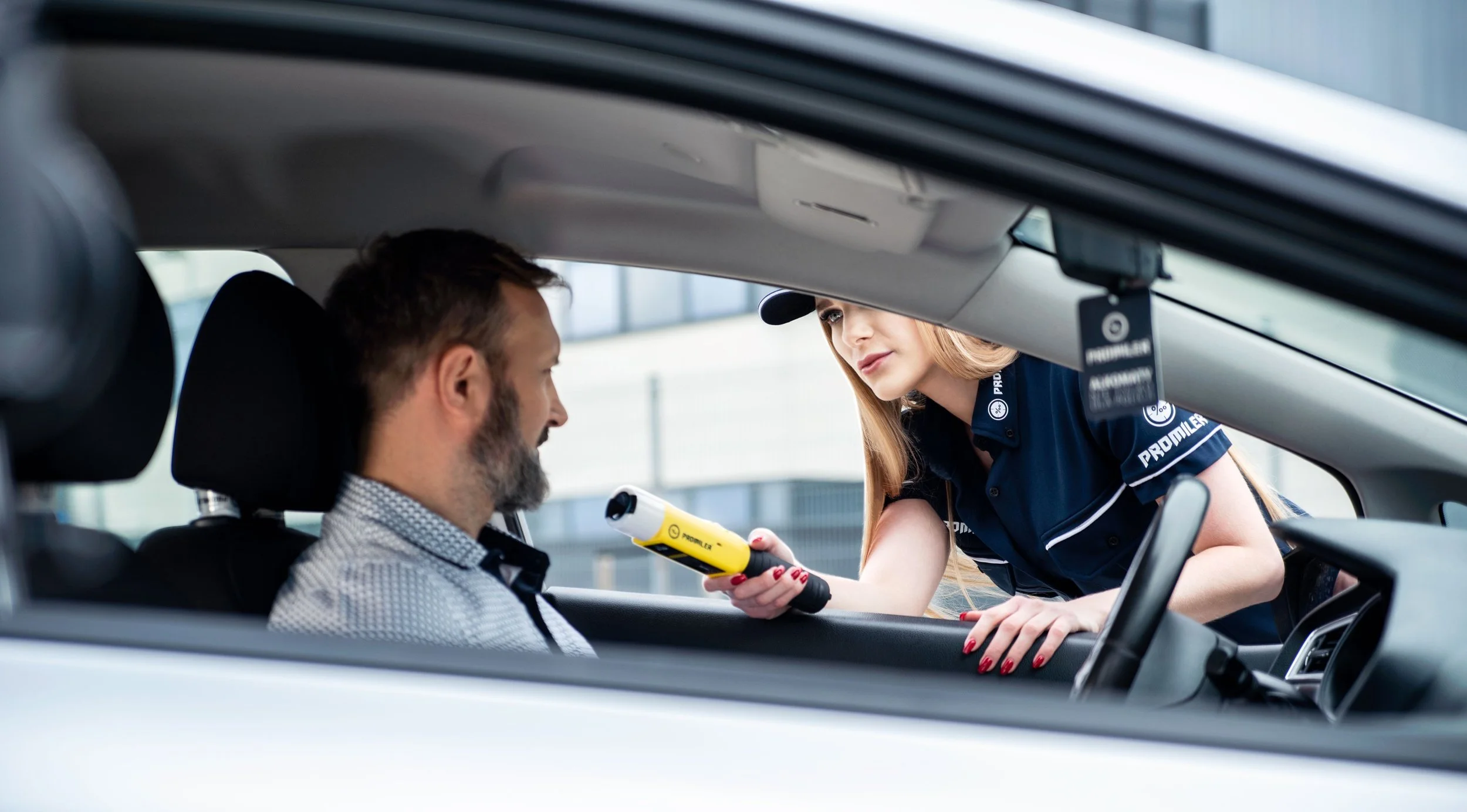
At the side of the road, an officer may ask you to blow into a small handheld device called a Preliminary Breath Test (PBT). This is different from the official breath test at the station.
In Washington, you can refuse the roadside PBT without triggering the penalties of the implied consent law. The results of a PBT are generally not admissible in court — the device is used to give the officer probable cause to arrest, not to build the actual case against you. Refusing it doesn't eliminate the risk of arrest, but it does limit the evidence gathered against you at that stage.
Field Sobriety Tests Are Also Optional
The officer may ask you to perform field sobriety tests — walking a line, standing on one leg, following a light with your eyes. You are not legally required to take these in Washington.
These tests are subjective and can be affected by nerves, fatigue, footwear, medical conditions, and the surface you're standing on. Declining them politely is within your rights and avoids giving officers additional evidence to use against you.
The Official Breath Test Is a Different Story
If you are arrested for DUI, you will be asked to take an official evidentiary breath test at the station. This is where Washington's implied consent law kicks in.
Under RCW 46.61.506, by driving on Washington roads you have already legally agreed to submit to chemical testing if lawfully arrested for DUI. Before the test, the officer must read you the Implied Consent Warning explaining your rights and the consequences of refusal.
Refusing the official breath test carries serious consequences — including an automatic license suspension of at least one year, separate from any criminal case. A refusal can also be introduced in court as circumstantial evidence of impairment. This is a high-stakes decision, and the right choice depends on the specifics of your situation — which is exactly why you should contact a defense attorney as quickly as possible.
The 20-Day Deadline You Cannot Miss
Whether you took the breath test or refused, if your arrest triggers a license suspension, you have 20 days from the date of your arrest to request a Department of Licensing (DOL) hearing to challenge it. Miss that window and you lose your right to contest the suspension entirely.
This deadline often surprises people who are focused on the criminal case and don't realize there's a parallel administrative process running at the same time. An attorney can handle the DOL hearing request immediately — it's one of the first things Verity Criminal Defense does when retained on a DUI case.
You can read more about how DUI breath tests work in our earlier post: How Field Sobriety and Breath Tests Work in a Washington DUI Stop.
What to Do Immediately After a DUI Arrest
Write down everything you remember — what the officer said, what tests were requested, whether you were read your rights, and any details about the stop itself. Memory fades quickly, and these details can matter in building your defense.
Then call an attorney. The earlier you have legal counsel involved, the more options you have — on the DOL hearing, on challenging probable cause for the stop, and on the criminal case itself.
Charged With DUI in Washington? Contact Verity Criminal Defense Today.
A DUI arrest doesn't have to become a conviction. At Verity Criminal Defense, we know how to challenge DUI cases at every stage — from the legality of the stop itself to the accuracy of the breath test results.
Give us a call or contact us for your free case review. We’re available 24/7 and are prepared to guide you through this process.
We are located in Everett but serve clients across King, Pierce, Snohomish, and Skagit counties, including Seattle, Bellevue, Tacoma, and Everett.